
High-Performance Cell Viability Analyzers for Research Labs
Molecular Cellular provides precise, fast cell viability analysis systems designed for high-throughput labs, diagnostics, and R&D workflows.
Cell Viability Analyzers for Accurate Live-Dead Cell Assessment in Research & Clinical Labs
Cell viability analyzers are essential tools in biological research and clinical applications, offering rapid and accurate quantification of live, dead, and apoptotic cells. These systems are used extensively in drug development, cancer biology, toxicology, and regenerative medicine. Utilizing dye-based assays, imaging, or impedance-based methods, these analyzers deliver consistent, real-time insights into cell health and experimental efficacy.
Cellular Analysis Instruments (Cell Viability Analyzers) empower laboratories across North America to make informed decisions during experimental workflows. Molecular Cellular supports B2B clients with cutting-edge analyzers that simplify sample prep, reduce variability, and support regulatory compliance. Our reliable platforms ensure that you spend more time interpreting results—and less time troubleshooting methods. Whether you’re managing a high-throughput lab or conducting critical clinical research, Molecular Cellular provides tailored viability assessment tools to meet your precision and performance needs.

Technologies and Equipment
In addition to offering products and systems developed by our team and trusted partners for Cellular Analysis Instruments (Cell Viability Analyzers), we are proud to carry top-tier technologies from Global Advanced Operations Tek Inc. (GAO Tek Inc.) and Global Advanced Operations RFID Inc. (GAO RFID Inc.). These reliable, high-quality products and systems enhance our ability to deliver comprehensive technologies, integrations, and services you can trust. Where relevant, we have provided direct links to select products and systems from GAO Tek Inc. and GAO RFID Inc.
Core Components
Hardware
- Optical fluorescence or brightfield imaging modules – Enable high-contrast viability assessment using Optical & Imaging Sensors in Cell Viability Analyzers
- Integrated touch-screen displays and user interfaces – Offer direct control and display through Touchscreen Peripherals.
- Automated sample handling and chamber loading systems – Streamline operation using Motion & Position Sensors for precise alignment.
- Benchtop footprint optimized for lab workflows – Ensure compact deployment and power stability with Power Adapters and Converters.
Software
- Viability analysis algorithms for dye exclusion, metabolic activity, or membrane integrity
- Multi-channel imaging analysis with overlays and gating options
- Data export tools compatible with LIMS and ELNs
- Batch processing, visualization, and statistical reporting
Cloud Services
- Real-time data backup and user access controls
- Device monitoring, firmware updates, and remote diagnostics
- Centralized data repository for long-term viability tracking
- Integration-ready APIs for enterprise environments
Key Features and Functionalities
- Supports common assays like trypan blue, calcein AM, propidium iodide, and more
- Automatic classification of live, dead, and apoptotic cells
- Quantification accuracy within ±5% of manual gold standards
- Fast analysis time—typically under 10 seconds per sample
- Intuitive UI and low training requirement for lab staff
Integration and Compatibility
- LIMS, ERP, and third-party data platforms integration
- Works with microfluidic chips, counting slides, or standard well plates
- Flexible SDK/API for custom software development and automation setups
- Export options in CSV, Excel, and image formats (TIFF, PNG)
Benefits
- Boost reproducibility and reliability in viability assays
- Reduce hands-on time and eliminate human subjectivity
- Generate traceable digital records for regulatory compliance
- Optimize experimental design and resource allocation
- Easily scalable for growing or multi-location lab operations
Applications
- Drug toxicity screening and response profiling
- Monitoring viability during cell culture expansion
- Quality control in biomanufacturing and cell therapy
- Stem cell health and differentiation tracking
- Apoptosis detection and cancer treatment evaluation
Industries We Serve

Biotechnology and Life Sciences

Clinical Diagnostics and Hospitals

Academic and Translational Research

Environmental and Water Testing

Biomanufacturing and GMP Laboratories
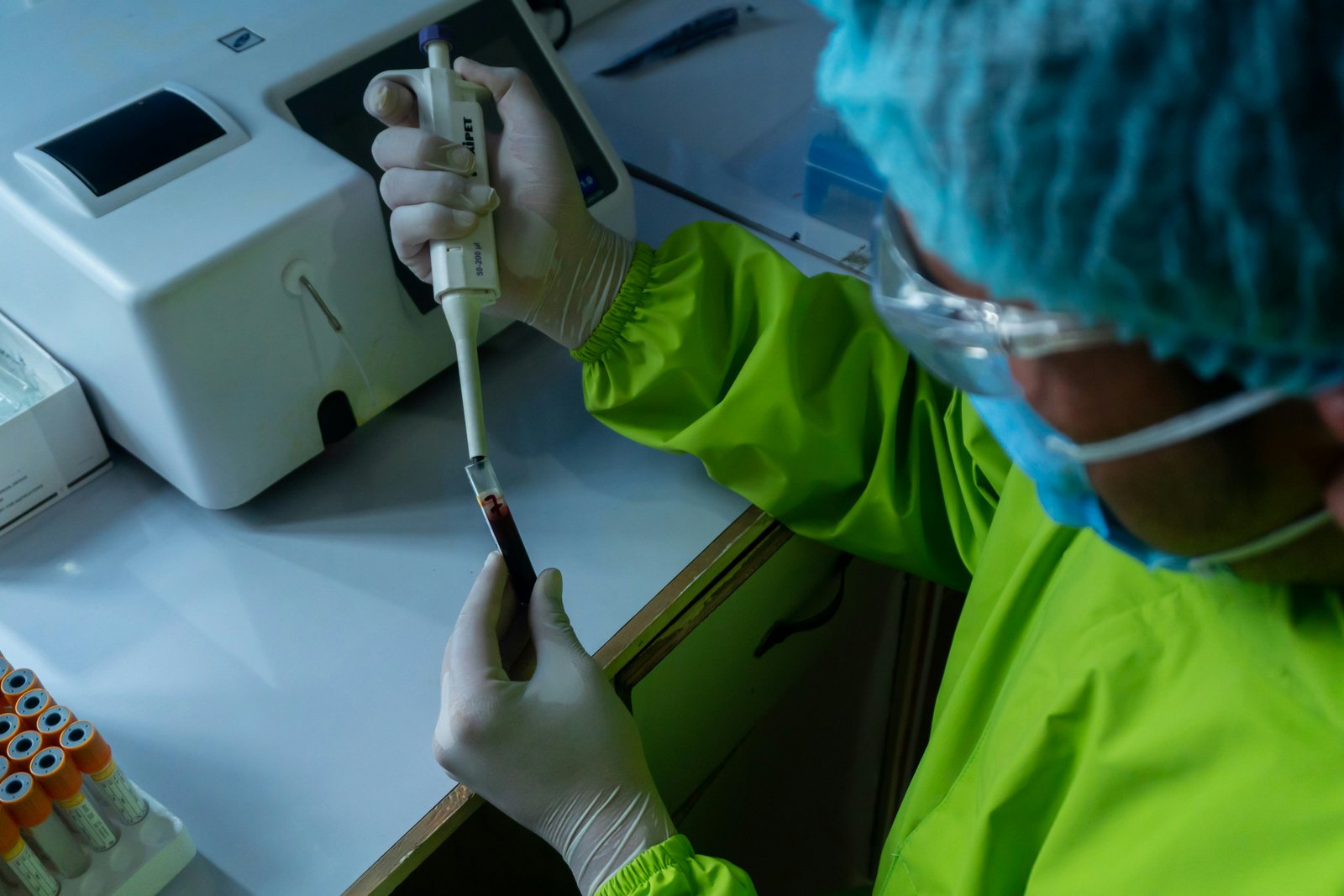
Environmental and Agricultural Science

Relevant U.S. & Canadian Industry Standards & Regulations
- FDA 21 CFR Part 11
- ISO 15189
- ISO 13485
- Health Canada Medical Device Regulations (SOR/98-282)
U.S. Cell Therapy Company Improves QA Consistency
A regenerative medicine firm in Massachusetts deployed Molecular Cellular’s cell viability analyzers to monitor production-grade cell batches. By automating viability checks, they reduced error rates by 30% and met GMP documentation standards required for FDA submissions.
U.S. Cancer Research Lab Enhances Apoptosis Screening
A California-based cancer institute integrated Molecular Cellular analyzers for apoptosis-related screening. The analyzers allowed researchers to detect subtle viability differences post-treatment, supporting faster therapeutic decision-making in early trials.
Canadian Biotech Streamlines QC Protocols
An Ontario-based biotech used Molecular Cellular’s compact viability systems in QC workflows for cell-based assays. With quick setup and seamless cloud sync, the team doubled sample throughput while cutting overall analysis time by 40%.
Let help you achieve accurate and efficient cell viability analysis.
Our experts are here to guide you through selecting the right analyzer and integrating it into your lab or clinical workflow.